Behind the Scenes: The Journey of Your Prescription Order, Step by Step
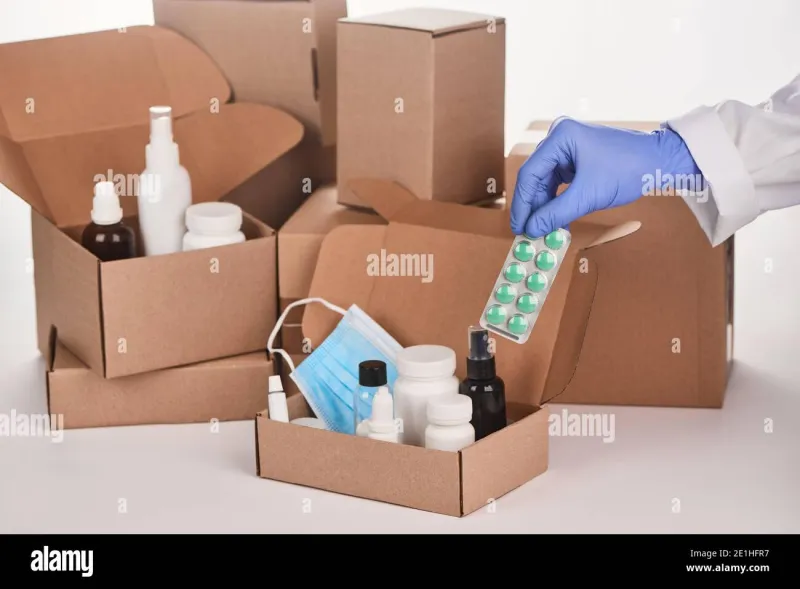
Photo: pharmacist packing prescription medication box shipping, via c8.alamy.com
Ordering medication online can feel like dropping a letter into a mailbox. You know it goes in, and you know (hopefully) it comes out the other side. Everything in between? Total mystery.
That mystery is exactly what scammers count on. When you don't know what a normal fulfillment process looks like, you can't spot an abnormal one. So let's pull back the curtain on what should happen after you hit 'place order' — and what should make you nervous at each step.
Step One: The Order Gets a Human Check
At a legitimate US pharmacy, your order doesn't just trigger a payment processing sequence. It lands in front of a licensed pharmacist who verifies the prescription itself — the drug, the dosage, the prescriber, potential interactions with anything else you're taking.
This is a legal requirement, not a courtesy. Under federal law and state boards of pharmacy rules, a licensed pharmacist must review prescriptions before dispensing. Reputable mail-order pharmacies also confirm your prescription is genuine, often by contacting your doctor's office directly if anything looks off.
Red flag: If a site never asks for a prescription at all, or claims their 'in-house doctor' will approve one after a two-minute questionnaire, walk away. Controlled substances like opioids or stimulants being offered with no prescription is an especially loud warning siren.
Step Two: Packaging That Protects
Once verified, your medication gets filled and packed. For most prescriptions, this means temperature-aware packaging when needed — think insulin or certain biologics that can't sit in a hot delivery truck. Legit pharmacies use tamper-evident seals, child-resistant caps, and pharmacy-label printing that includes the drug name, strength, directions, your name, and the pharmacist's information.
Look at that label closely when your package arrives. A real pharmacy label is specific and complete. Missing lot numbers, no expiration date, or a label that looks like it was printed at home are all reasons to be suspicious.
Red flag: Medications arriving loose in a padded envelope, with no original packaging, no patient information leaflet, or pills that look different from your last refill. Counterfeit drugs often have slightly off color, odd smells, or misspelled imprints.
Step Three: Shipping With Real Tracking
Legit pharmacies ship through recognizable carriers — USPS, UPS, FedEx — with tracking numbers that actually work. Transit times are realistic: typically 3 to 10 business days depending on your location and shipping method you selected.
Here's a detail bargain hunters often miss: a legitimate pharmacy won't email you from a random Gmail address, and it won't ask you to pay shipping via wire transfer, gift cards, or cryptocurrency. Those payment methods are the financial equivalent of a getaways car — used because they're untraceable.
Red flag: Tracking numbers that don't resolve, packages shipped from overseas when the site claimed to be US-based, or delivery promises of 'overnight from India' — a physical impossibility given customs requirements for prescription drug imports.
Step Four: The Follow-Through
A trustworthy pharmacy doesn't vanish after the sale. You should be able to reach a pharmacist with questions — a real phone number, a licensed contact, and clear return and refund policies posted on the site. Many legitimate operations also follow up about refills or check in if you're on a medication that requires monitoring.
Check whether the pharmacy is licensed in your state and displays a VIPPS (Verified Internet Pharmacy Practice Sites) accreditation from the National Association of Boards of Pharmacy. You can verify a pharmacy's license through your state board of pharmacy's website in about two minutes.
Red flag: No pharmacist contact information anywhere on the site, a returns policy that's vague or nonexistent, or customer service that goes silent the moment your payment clears.
Your Quick-Reference Checklist
Before and after you order, run through this list:
- Prescription required? (It should be, no exceptions for prescription drugs)
- Licensed pharmacist verification mentioned on the site?
- US-based pharmacy with a verifiable state license?
- Real carrier with working tracking?
- Complete, professional labeling on arrival?
- Clear refund and return policies?
- Standard payment methods only — never wire transfers or gift cards?
If any answer is 'no' or 'not sure,' pause before you swallow anything that arrived in the mail.
The Bottom Line
The gap between clicking 'buy' and opening your mailbox shouldn't be a black box. Legitimate pharmacies have nothing to hide at any stage — verification, packaging, shipping, or follow-up. The more familiar you are with how the process is supposed to work, the faster you'll spot the operations cutting corners somewhere you can't see.
Cheap prices are great. Cheap prices with a verifiable, licensed process behind them? That's the actual bargain.