Your Doctor Is Now a Browser Tab: Making Sense of Telehealth Prescriptions
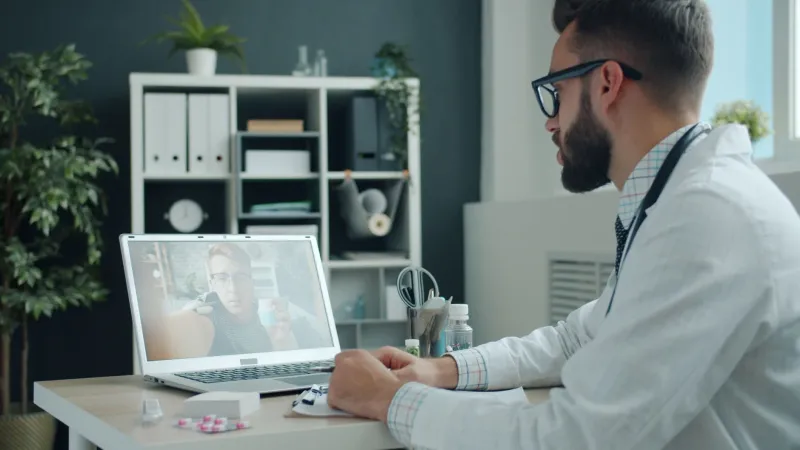
Five years ago, if you had a stubborn sinus infection, you cleared your afternoon, drove to the clinic, sat in a waiting room full of coughing strangers, and paid for the privilege. Today? You open an app on your lunch break, spend fifteen minutes on video with a licensed provider, and pick up your prescription on the drive home — or better yet, have it shipped to your door.
Telehealth isn't a trend anymore. It's how a huge chunk of American healthcare gets done. But convenience always raises a fair question: is it safe? And for the bargain hunters among us — the people who clip digital coupons and compare gas prices across three stations — there's an even better question. Can it save you money?
Let's walk through it.
What a Telehealth Visit Actually Looks Like
Picture this: you've had the classic telltale signs of a urinary tract infection for two days. Instead of rearranging your schedule, you log into a telehealth platform, answer an intake questionnaire about your symptoms and medical history, and enter your payment info (often $25 to $60 without insurance — sometimes less with a membership plan).
Within the hour, you're on a video call with a nurse practitioner licensed in your state. She asks follow-up questions, reviews your history, and decides a short course of antibiotics is appropriate. She sends the prescription electronically to the pharmacy of your choice — including an online pharmacy — and you're done before your coffee gets cold.
That's the typical flow for straightforward, low-risk conditions: UTIs, cold sores, pink eye, seasonal allergies, refills for stable medications, acid reflux, hair loss, and similar everyday complaints. No stethoscope required.
What Can't Be Handled Over Video
Here's where a little consumer education pays off. Some medications simply can't be prescribed through a quick virtual visit — or shouldn't be, no matter how convincing the website looks.
The big one is controlled substances. Opioid painkillers, stimulants like Adderall, and certain anxiety medications fall under stricter DEA rules. The rules loosened during the COVID-19 public health emergency, and some flexibilities have been extended, but any website promising to prescribe these after a two-minute form is waving a giant red flag.
Other things that belong in a physical exam: chest pain, shortness of breath, severe abdominal pain, anything that might need imaging or labs. A good telehealth provider will tell you when to go in person. If one never does, find a different one.
The Safety Checklist for Virtual Care
Telehealth is only as trustworthy as the platform behind it. Before you hand over your health history and your credit card, run through this quick list:
- Verify the provider is licensed in your state. Legitimate platforms display this. Prescribing across state lines without a license isn't a gray area — it's illegal.
- Look for a real medical review process. Reputable services name their medical team and explain their prescribing standards.
- Expect some questions. A provider who prescribes without asking about your other medications, allergies, or conditions isn't doing their job.
- Check that they require a prescription for prescription drugs. Any site selling Rx-only meds without a prescription is not a pharmacy. It's a liability.
That last point matters especially when you're pairing telehealth with an online pharmacy. The two services work beautifully together — a legit virtual visit produces a real prescription, which a licensed pharmacy fills and ships. One weak link breaks the whole chain.
Now, the Part You Actually Care About: Price
Here's where telehealth quietly becomes a money-saving tool, not just a time-saving one.
First, the visit itself. Without insurance, a telehealth consult for a routine condition typically runs $25 to $75 — often less than the copay on an urgent care trip, and dramatically less than an ER visit for something minor.
Second, telehealth platforms frequently bundle the visit and the medication into one flat price. For medications like finasteride, semaglutide, or birth control, that bundled price can undercut what you'd pay paying for a visit and a retail prescription separately.
Third, once you have that legitimate prescription in hand, you're free to fill it wherever it's cheapest. That's the move most people miss: the prescription belongs to you, not the telehealth company. Compare prices between your local pharmacy and a licensed online pharmacy, apply discount codes, and consider a 90-day fill to stretch your savings even further.
The Bottom Line
Telehealth has genuinely rewritten the playbook. For routine conditions, it's faster, often cheaper, and — when you use a licensed provider and a legitimate pharmacy — just as safe as the old way. The risks aren't in the video call itself; they're in the sketchy corners of the internet that use telehealth language as camouflage for selling pills with no prescription at all.
So go ahead, book the virtual visit. Ask your questions, get your legit prescription, and then be a smart shopper with where you fill it. Your schedule — and your wallet — will thank you.