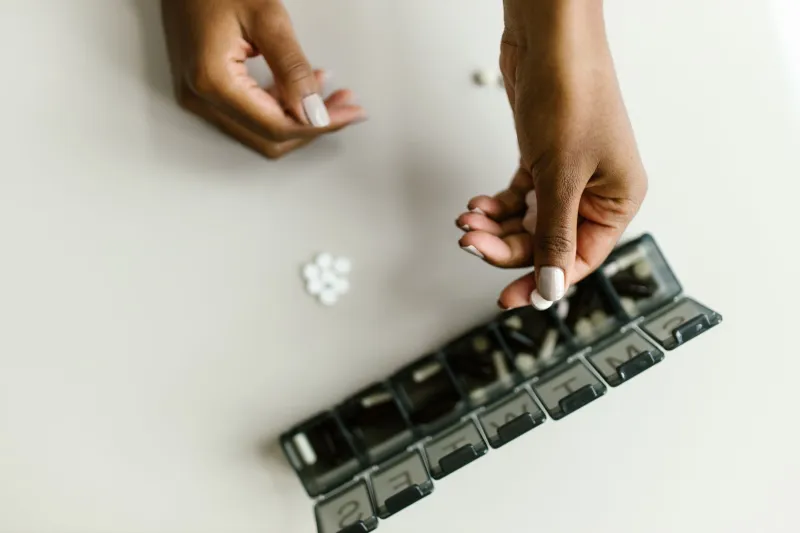
The Half-Pill Habit: Saving Cash Without Gambling With Your Health
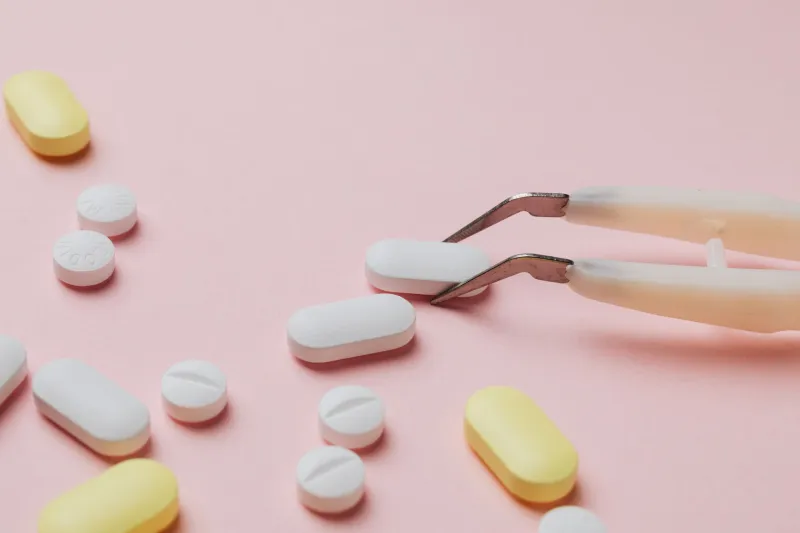
A high copay has a way of making a pill cutter look like a financial tool. If one tablet costs the same as two, why not snap it in half and double the supply? It is a familiar bargain-hunter move, and for some prescriptions it can be a legitimate way to lower costs. For others, it is a gamble with dosing accuracy, medication delivery, and your own safety.
At MySafePillsRx, we are all for affordable medications delivered to your door. We are also big fans of not turning a savings strategy into a health experiment. Pill splitting lives right on that line, which is why it deserves more than a quick YouTube tutorial and a kitchen knife.
Why the pill cutter looks like a bargain
Most tablets are priced by the prescription, not by the exact number of pieces you create at home. If your doctor prescribes a 20 mg tablet and you are supposed to take 10 mg, a pharmacist may be able to dispense the higher strength with instructions to split it, assuming the medication is appropriate for splitting. That can stretch a supply and sometimes reduce the cost per dose.
There is also the lower-strength trap. Sometimes the 5 mg tablet costs nearly as much as the 10 mg tablet, or your insurance plan charges the same copay for both. In that situation, splitting may look like clever math. But the math only works if the tablet is designed to be divided and if both halves deliver a predictable dose. That is a bigger if than many people realize.
The tablets that usually play nice
Some tablets are manufactured with a score line down the middle. That line is not decoration. It is a guide for breaking the tablet into halves that are reasonably consistent. Many immediate-release tablets can be split when a pharmacist confirms it is appropriate for your specific prescription.
Even then, technique matters. A proper pill cutter tends to produce cleaner halves than a thumbnail, a butter knife, or a dramatic snap over the sink. Wash your hands, work on a clean surface, and keep the halves in a labeled container. Do not mix split halves from different prescriptions in one unmarked bottle. That is how a simple cost-saving habit turns into a confusing morning.
Your pharmacist can tell you whether a particular tablet is scored, whether it is immediate-release, and whether the manufacturer recommends splitting. That last part matters. Two tablets can share the same active ingredient and still be built differently.
Where splitting becomes a real gamble
Extended-release tablets are a common no. Their design releases medication over hours, and cutting them can dump too much drug into your system too quickly or change how long the dose lasts. Delayed-release and enteric-coated tablets are also usually off-limits. The coating may protect your stomach or protect the medication from stomach acid. Splitting can defeat that purpose.
Capsules are another tricky category. Some can be opened and sprinkled according to specific instructions, but many cannot. Do not assume that opening a capsule and dividing the beads or powder is the same as splitting a tablet. It is not.
Then there are medications where small differences in dose matter a lot. Blood thinners, thyroid medicines, seizure medications, digoxin, lithium, and some heart medications are classic examples of drugs with a narrow therapeutic window. For these, an uneven half is not a minor inconvenience. It can mean too little protection or too much effect.
Hormonal products, chemotherapy tablets, and other specialized medications deserve extra caution too. Some should not be handled in ways that create dust or skin exposure. A pill cutter is not a safety shield.
The hidden cost of uneven halves
A split tablet is rarely two perfect clones. One half may be slightly larger, one may crumble, and the active ingredient may not be evenly distributed in the first place. For many everyday medications, that variation may not matter much. For others, it is exactly the kind of inconsistency you want to avoid.
There is also the human factor. Half pills look alike. Labels fade. Someone accidentally takes two halves instead of one, or takes the wrong half from the wrong bottle. The money saved on tablets can disappear quickly if the dosing gets muddled.
How to ask before you cut
Before you buy a pill cutter, call your pharmacist and ask specific questions. Is this tablet scored? Is it immediate-release, extended-release, or delayed-release? Does the manufacturer say it can be split? Can I split it safely for my dose? Are the halves stable at room temperature, or do they need special storage? Would a lower-strength prescription be a better option?
That last question is worth asking even if you are not set on splitting. Sometimes the lower dose is available as a generic, sometimes it is covered differently, and sometimes a 90-day supply changes the price picture. A pharmacist can compare options without guessing.
If you use an online pharmacy, make sure you are getting clear instructions with the medication. A low price is helpful. A low price plus a confusing dosing plan is not a bargain. MySafePillsRx exists to make affordable medications easier to reach, but the safety piece cannot be skipped.
A smarter way to save
Pill splitting can be a reasonable tool for certain prescriptions when a health care professional has signed off on it. It is not a universal coupon code for your medicine cabinet. The safe approach is boring but effective: ask first, split only what is meant to be split, use a proper cutter, and keep the halves labeled.
If you are staring at a copay that feels too high, do not start slicing. Start with a conversation. Your pharmacist may have a cheaper strength, a generic option, a different quantity, or a clear reason to leave the tablet whole. Saving money is the goal. Gambling with your dose is not.