The Behind-the-Mirror Reset: A Once-a-Year Medicine Stash Checkup
There is a small pharmacy hiding behind your bathroom mirror. Most of us add to it one prescription at a time: a leftover antibiotic, a cream from a rash that cleared up, a bottle of ibuprofen from the last headache, maybe a refill we picked up before a trip and never finished. Then life moves on, and the shelf keeps growing.
A once-a-year medicine cabinet checkup is one of the least glamorous health tasks you can do. It is also one of the most practical. In about 30 minutes, you can spot expired products, duplicate prescriptions, and labels that no longer match what you actually take. You can build a simple medication list worth sharing with a pharmacist or doctor. And you can get rid of what you do not need without creating a hazard for anyone else in the house.
Why This Is a Money Move, Not Just a Cleaning Chore
Bargain hunters know the feeling of finding a good price on a prescription. What stings is paying for the same thing twice because one bottle got pushed to the back of the shelf. A yearly audit helps you avoid that quiet waste. You may find an unopened refill you forgot about, a duplicate over-the-counter product, or a prescription that was changed months ago but is still sitting there like a trap.
At MySafePillsRx, we spend a lot of time thinking about affordable medications and safe delivery. But the safest, cheapest prescription is still the one you take correctly, store properly, and do not accidentally double up on. That starts at home, not at checkout.
Step 1: Empty the Shelf, Then Sort
Take everything out. Yes, everything. It is tempting to straighten bottles in place, but you will miss the ones hiding behind the toothpaste and the travel-size shampoo. Put it all on a table or counter with good light.
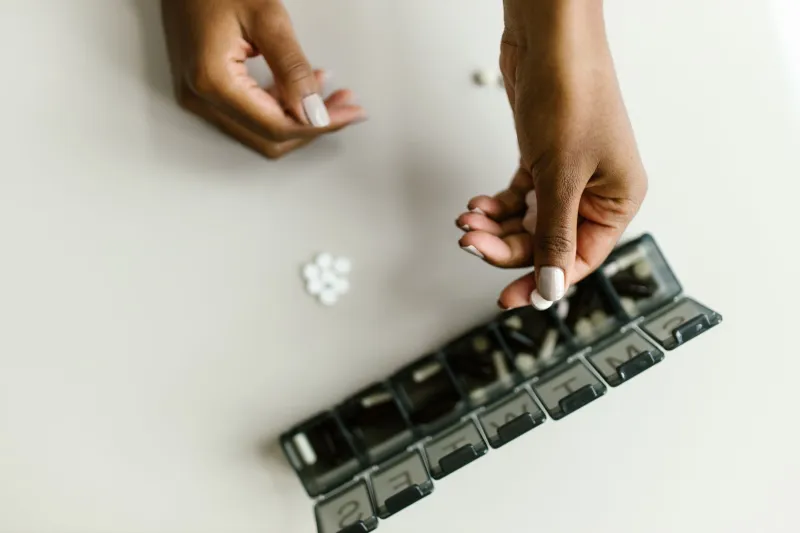
Sort into rough piles: prescription medicines, over-the-counter products, supplements, and first-aid supplies. Keep a trash bag and a secure disposal bag nearby, but do not throw anything away until you have checked it. Set a timer if you need to. Thirty minutes is usually enough for a normal cabinet.
Step 2: Read Expiration Dates Like You Mean It
Expiration dates are not decoration. Some medicines lose potency over time, and some liquid products can become unsafe or less effective after opening. Eye drops, insulin, and liquid antibiotics deserve particular attention. Check the expiration date on the package, and look for a beyond-use date if the label has one. That is the date by which an opened product should be used or discarded.
If a bottle has no date and you cannot remember when you got it, treat it as a question for your pharmacist rather than a mystery to solve alone. Also look at the product itself. If a cream has separated, a liquid looks cloudy when it should be clear, or pills are discolored or crumbly, do not use them. Do not keep expired medicine just in case. That is how cabinets become cluttered and confusing.
Step 3: Hunt for Duplicates and Ghost Prescriptions
This is where the audit earns its keep. Look for the same active ingredient under different brand names. Check whether an old prescription was replaced by a new strength or a different medication. It is easy to end up with two bottles of ibuprofen, two kinds of allergy pills, or a prescription that your doctor stopped months ago.
If you are unsure whether two products overlap, ask a pharmacist. Bring the bottles or take clear photos of the labels. Do not guess, and do not combine medicines just because they were once prescribed to you. A duplicate is not a bargain if it creates a safety risk.
Step 4: Match the Label to Real Life
A label is a snapshot of instructions at a certain moment. Your routine may have changed since then. Ask yourself a few direct questions. Am I taking this the way the label says? Did my prescriber change the dose? Is this the same pharmacy I use now? Am I having side effects I have been ignoring?
Write down anything that does not line up. Do not change how you take a prescription on your own. Instead, make a short list of questions for your doctor or pharmacist. That list is often more useful than a cabinet full of half-remembered instructions.
Step 5: Build a One-Page Medication List
You do not need a fancy app, though one is fine if you will actually use it. A single sheet of paper or a note on your phone works. List each prescription by name, strength, directions, prescriber, pharmacy, and the reason you take it. Add over-the-counter medicines and supplements, too. Update it after every change.
Keep a copy where you can find it, and bring it to appointments or urgent care visits. A clear medication list helps pharmacists catch interactions and helps doctors make better decisions when you are not in a position to remember every bottle. It also makes refill time less of a scavenger hunt.
Step 6: Store What Stays, Dispose of What Goes
Most medicines do best in a cool, dry place away from direct sunlight. The bathroom is convenient, but steam from showers can be rough on some products. If your cabinet gets humid, consider a different spot. Keep medicines in their original containers with labels intact, and use a lockbox or high shelf if there are children or pets in the home.
For disposal, use a local take-back option when you can. Many communities have permanent kiosks at police stations or pharmacies, and the Drug Enforcement Administration runs periodic take-back events. Mail-back envelopes are another option. If you must use the trash, follow local rules and mix the medicine with something unpleasant in a sealed bag so it is less tempting to people or animals. Scratch out personal information on labels.
Do not flush medicines down the toilet unless the label or official instructions specifically say to do so. Some drugs are on a short list for flushing when take-back is not available, but most should not go down the drain. And never give leftover prescriptions to friends or family. What worked for you may not be safe for someone else.
The Payoff Is Quiet but Real
A medicine cabinet audit will not feel dramatic. There is no reward card, no points, no app notification. What you get is quieter: fewer duplicate purchases, fewer expired products, a medication list you can actually use, and a lower chance of a mix-up at home. That is a solid return on half an hour. Make it a yearly ritual, pair it with another household task, and let your cabinet be a helpful shelf instead of a forgotten stash.