The Long Drive vs. the Mailbox: Building a Rural Safety Net for Mail-Order Meds
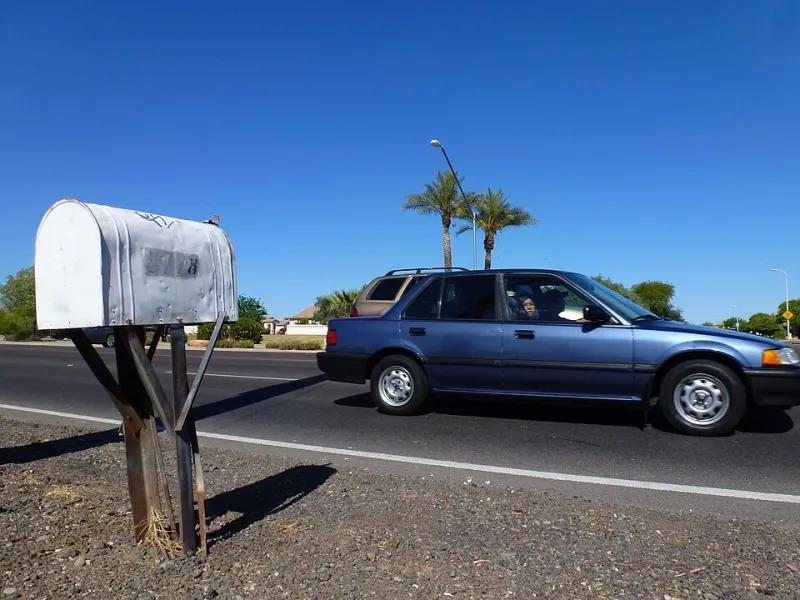
Photo: Chris English, CC BY-SA 3.0, via Wikimedia Commons
If the closest drugstore is a 40-minute drive down a two-lane highway, the mailbox starts to look like a pharmacy counter. That is the reality for plenty of Americans in rural pharmacy deserts, where the local chain closed, the grocery store stopped filling scripts, and the remaining option is a drive that eats an afternoon. Mail-order medication can be a genuine lifeline in that situation, especially when you are trying to keep costs down. But it also asks more of you than it asks of someone in a city with a 24-hour pharmacy on the next block.
At MySafePillsRx, the goal is affordable medication delivered safely. In rural areas, safe delivery means planning for distance, weather, and the fact that a replacement dose may not be a five-minute errand away. Here is a practical safety net for mail-order meds when home is far from the counter.
Put the Seller Under the Magnifying Glass First
A low price is not a safety credential. Before you send a prescription to any online pharmacy, confirm that the business is licensed in your state and that it operates like a real pharmacy, not a storefront that disappears when a package goes missing. Look for a verifiable physical address in the US, a phone number that reaches a human, and a licensed pharmacist who reviews prescriptions. Legitimate sites will ask for a prescription from a licensed US prescriber. They will not promise that no prescription is needed, and they will not sell controlled substances like candy.
Reputable online pharmacies often display credentials such as VIPPS accreditation from the National Association of Boards of Pharmacy or use a .pharmacy domain. Those are not perfect shields, but they are useful starting points. Check your state board of pharmacy website too. A few minutes of digging beats a month of wondering whether the pills in the blister pack are the real thing.
Pay with a credit card so you have dispute rights. Be wary of wire transfers, cryptocurrency-only checkout, or a site that dodges basic questions about where it is located and who is in charge. A bargain is only a bargain if the medicine is authentic, stored correctly, and shipped by a business you can call when something goes wrong.
Build a Delivery Buffer, Not a Guessing Game
In a city, a late package is annoying. In a rural area, it can be a health problem. Order earlier than you think you need to. A good rule is to aim for a 10-day cushion before your last dose, and to set a reminder two weeks before you expect to run out. Rural routes can slow down for snow, flooding, staff shortages, or a carrier handoff that adds a day or two.
Automatic refills can help, but only if you can pause or adjust them. Nobody needs a 90-day supply arriving while they are traveling or while a prescriber is changing a dose. Track the package and know which carrier is delivering it. If the shipment stalls, contact the pharmacy rather than waiting silently. Do not skip doses, split pills differently, or stretch a prescription to cover a delivery gap unless your prescriber or pharmacist tells you to. If a delay looks serious, ask your prescriber about a short local bridge supply or a temporary replacement prescription.
Heat, Cold, and the Mailbox Problem
Medication is not invincible. A metal mailbox can get blazing hot in summer and freezing cold in winter. Some medicines tolerate that better than others, but insulin, liquid antibiotics, certain injectables, and other temperature-sensitive products may not. Ask the pharmacy whether your shipment will be insulated, whether it includes ice packs, and whether it can be sent with a signature requirement or held for pickup. If you work in town, a staffed delivery address may be safer than a porch in the sun.
Bring packages inside as soon as they arrive. Do not leave them in a hot car or a cold garage while you finish chores. If a package arrives warm, visibly damaged, or delayed in extreme weather, call the pharmacist before using it. Do not refrigerate a medication unless the label says to. When in doubt, ask. A quick call is cheaper than a replacement prescription or a hospital visit.
Keep a Local Emergency Supply, Legally and Safely
A rural safety net should include a small local cushion. Talk with your prescriber about whether an extra week or two of medication is appropriate for your situation. Not every drug can be stockpiled, and controlled substances have strict rules, so this is a conversation, not a do-it-yourself project. Keep a current medication list in your wallet or phone, including doses and prescriber names. Know the hours of the nearest urgent care, critical access hospital, and clinic pharmacy. If a storm is coming, refill early when possible and charge your phone.
Do not borrow medicine from a neighbor or share your supply. Rotate your emergency stock so older bottles are used first, and check expiration dates. A local cushion is meant to buy time, not to replace regular care.
Make Your Prescriber Part of the Route
Tell your prescriber and local clinic that you use mail order. Ask whether a 90-day supply with refills makes sense for a stable medication, and confirm that the e-prescription is sent to the correct pharmacy. Double-check your delivery address and any delivery notes. Give every prescriber and pharmacist a complete list of your medications and supplements so interactions do not slip through the cracks.
It also helps to ask a simple question: what should I do if a shipment is late? A good care team will help you plan for that before it happens. Keep your local relationships intact for labs, urgent visits, and those moments when mail is too slow.
A Simple Rural Checklist
- Verify the online pharmacy with your state board and credentialing groups.
- Order with a 10-day buffer and track every shipment.
- Ask about insulation, ice packs, and safe delivery locations.
- Bring packages inside immediately and inspect them.
- Ask your prescriber about a legal bridge supply for emergencies.
- Keep a medication list and know your local care options.
- Call the pharmacist when something looks wrong.
Mail order can be a practical, affordable way to manage prescriptions when the pharmacy is far away. The key is to treat delivery like part of your care plan, not an afterthought. With a verified seller, a realistic buffer, and a local backup, bargain hunting does not have to become a safety gap.