The Pharmacy Handoff: Switching Stores Without a Refill Gap or a Surprise Bill
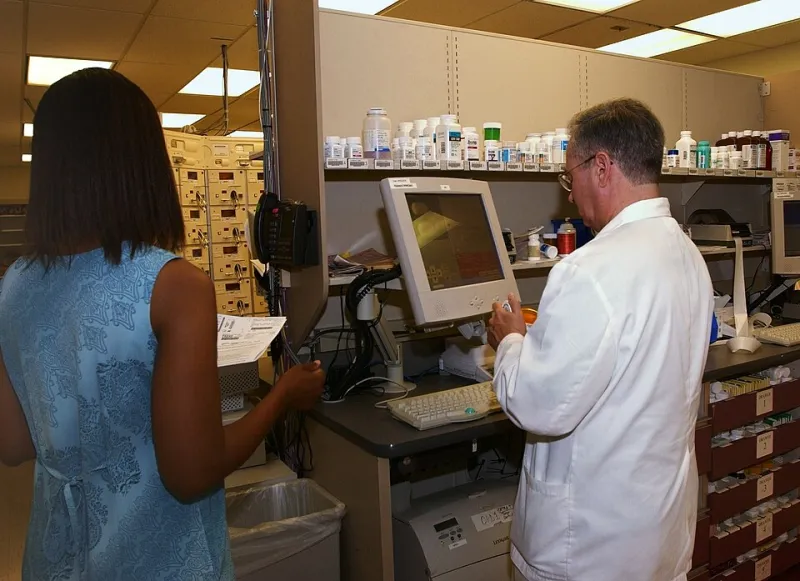
Photo: U.S. Navy photo by Chief Warrant Officer 4 Seth Rossman., Public domain, via Wikimedia Commons
Switching pharmacies sounds like a five-minute phone call. In practice, it can turn into a week of voicemails, a half-filled bottle, and a cashier quoting a price that doesn't match what you were told. The good news: most of the friction is preventable. You just need to treat the move like a tiny project instead of an errand.
At MySafePillsRx, we talk to people every day who are trying to stretch their medication budget. A pharmacy switch is one of the few chores that can actually pay off—if you do it in the right order. Here's the practical version.
Start With a Reason and a Reality Check
Before you jump, name what you're fixing. Is it a lower cash price? Better stock? Delivery? A pharmacist who answers the phone? Write it down. That keeps you from hopping again in three weeks.
Then check the fine print. Most pharmacies don't charge a transfer fee, but some do for certain services or delivery. Ask directly: 'Is there any fee to transfer this prescription to you?' Also ask whether the better price you saw is cash, insurance, or a membership rate. Those are three different numbers.
Gather Your Paper Trail Before You Call
You don't need a folder full of receipts, but you do need the basics. Have this ready before you contact the new pharmacy:
- Your full name, date of birth, and address
- The medication name, strength, and directions (for example, 'lisinopril 10 mg, one tablet daily')
- Your prescriber's name, phone number, and address
- Your insurance card, if you're using insurance
- The old pharmacy's name, address, and phone number
- Your prescription number, if you have it
If you're using a paper prescription, you'll need the actual paper for controlled substances and some other drugs. For regular refillable prescriptions, the new pharmacy can usually handle the transfer by phone or electronically.
Time the Move Around Your Next Fill
The easiest way to avoid a gap is to start early. Aim to begin the transfer at least seven to ten days before your next dose is due. That gives both pharmacies time to talk, your prescriber time to respond if needed, and the new pharmacy time to order stock.
Don't wait until you're down to two pills. If the new pharmacy has to order your medication, you could be looking at a few days without it. That's not a safety risk you want to take with something like blood pressure meds, insulin, or seizure medication.
The Controlled-Substance Curveball
If your prescription is for a controlled substance, slow down. Federal rules generally do not allow Schedule II prescriptions to be transferred between pharmacies. That means you'll likely need a new prescription from your prescriber sent to the new pharmacy. Schedule III through V prescriptions can usually be transferred once between pharmacies, but the rules are specific and state laws can add layers.
Call the new pharmacy and ask: 'Can you accept a transfer of this specific medication, and what do you need from my prescriber?' Get the answer before you ask the old pharmacy to cancel anything.
Don't Forget the Auto-Refill Handcuffs
Auto-refill is convenient until you try to leave. If your old pharmacy has you on automatic refills, call and turn that off. Otherwise, you might end up with a surprise bottle—and a charge—after you've already moved.
Then ask the new pharmacy how their auto-refill works. Some enroll you automatically; others require a form. Make sure the refill timing matches your routine. If you use a 90-day supply, confirm that the new pharmacy can fill 90 days and that your insurance allows it.
Ask for the Out-the-Door Number
This is the step people skip, and it's the one that causes the most arguments at the counter. Before the transfer is complete, ask the new pharmacy for the total you'll pay: the drug cost, the dispensing fee, taxes, and any delivery charge. If you're using insurance, ask them to run a test claim so you know your copay. If you're paying cash, ask whether the quoted price is for the full quantity or per pill.
A good pharmacy will give you a clear number before you commit. At MySafePillsRx, we put pricing and delivery details up front for exactly this reason—surprises are expensive.
Confirm the Transfer Is Complete
Once you've made the request, follow up. Ask the new pharmacy: 'Has the transfer been received and processed?' Then ask the old pharmacy: 'Is my prescription now inactive at your store?' This two-way check catches the classic glitch where one side thinks the transfer happened and the other side is still waiting.
Keep your old bottles until the new ones arrive. If there's a delay, you'll want to know exactly what you have on hand.
A Quick Pre-Switch Checklist
- Name your reason and confirm the new price type
- Gather medication, prescriber, insurance, and old pharmacy details
- Start seven to ten days before your next fill
- Ask about controlled-substance rules before canceling anything
- Turn off auto-refill at the old pharmacy
- Get the total out-the-door price in writing or by email
- Confirm the transfer on both ends
- Keep a few days of medication on hand during the switch
Switching pharmacies doesn't have to be dramatic. With a little prep, you can chase a better price without chasing your refill. And that's the whole point: pay less, stay stocked, and keep your routine intact.