The Remote Refill Desk: Managing a Parent's Meds From Another State

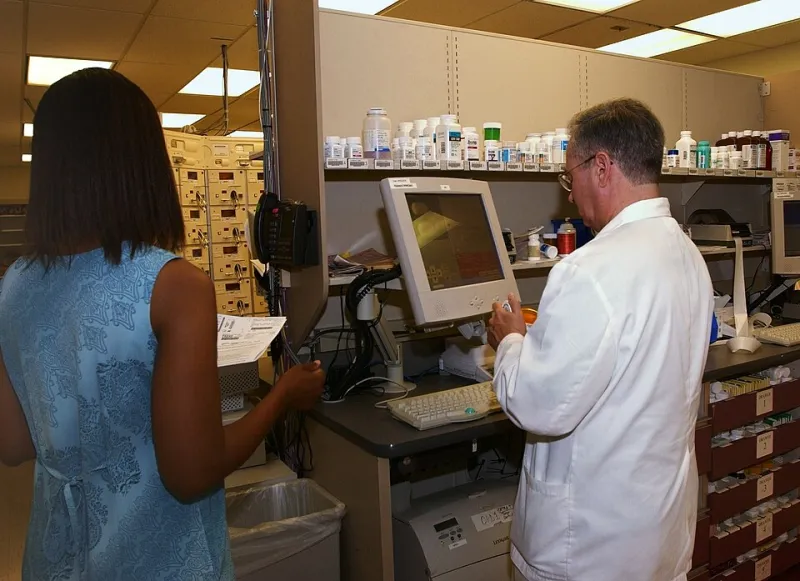
Photo by Photo by Jelly Marketing on Unsplash on Unsplash
You are in Chicago. Your dad is in Florida. His pharmacy is somewhere in between, and the refill you thought was handled is suddenly not. Long-distance caregiving has a way of turning small pharmacy tasks into urgent phone calls.
The good news is that you do not need to become a pharmacist or move every prescription to a new provider. You need a reliable remote system: permissions in place, one accurate medication list, a delivery plan that matches your parent's actual life, and a monthly check-in that catches problems before they become expensive surprises.
Start with permission, not a shopping spree
Before you can help with refills, the pharmacy and prescribers need to know they can talk to you. Ask each pharmacy what it requires for a caregiver to discuss prescriptions, request refills, or receive delivery updates. Some large chains have caregiver or family accounts; independent pharmacies may use a note in the profile plus a signed form.
You will also want a HIPAA authorization on file with your parent's doctors and perhaps the pharmacy, depending on its process. This is not the same as a medical power of attorney, and it does not give you the right to make every medical decision. It simply lets health care staff share information with you. Keep a copy where you can find it quickly, and send a fresh one whenever a practice asks.
Resist the urge to move everything at once. A sudden switch can create confusion, duplicate bottles, and a refill gap. Start with one stable maintenance medication and learn how the new process works before you touch the rest.
Build one medication list that everyone can see
A single, current medication list is the backbone of remote care. Include the drug name, strength, dose, directions, prescriber, pharmacy, last refill date, and usual cost. Add allergies and any over-the-counter products your parent uses regularly. A shared spreadsheet or a notes app works fine, as long as everyone who needs it can access it.
Update the list after every hospital visit, specialist appointment, or dose change. This is where duplicate therapy often sneaks in: one doctor adds a new drug, another keeps an old one active, and the pharmacy fills both because nobody flagged the overlap. A quick call to the pharmacist can sort out whether two bottles are intentional or accidental.
Choose a pharmacy setup that fits the delivery address
Mail order can be a great fit for stable maintenance medications, especially when it lowers copays or reduces trips. But it is not automatically the cheapest or safest option for every prescription. Compare the cash price, the insurance copay, and the refill schedule before you switch. A 90-day supply may lower the per-month cost, but only if the dose is stable and your parent can store the extra bottles safely.
For urgent or short-term medications, a local pharmacy is often more practical. Keep a nearby store in the loop for antibiotics, pain relief, or anything that needs to start today. The goal is a hybrid system, not a loyalty contest.
Delivery logistics deserve real attention. Ask whether the pharmacy ships with tracking, whether it requires a signature, and what happens if a package sits on a hot porch. In warm states, heat-sensitive medications can be damaged in transit. In cold states, liquid medications can freeze. If your parent has trouble getting to the door, arrange delivery to a trusted neighbor or an accessible pickup point when the pharmacy allows it.
Treat auto-refill as a tool, not autopilot
Auto-refill can prevent gaps, but it can also pile up bottles when a dose changes or a doctor pauses a medication. Before you enable it, ask the pharmacy how to pause a shipment, how early it processes refills, and whether it sends a text or email warning. Then check those messages.
Refill timing is where cost-conscious caregivers save real money. If a 30-day fill and a 90-day fill overlap, you may pay for medication that sits unused. Ask the pharmacist to sync refill dates for stable drugs so they arrive together. If your parent is hospitalized or traveling, request a hold on shipments rather than letting packages stack up.
Prevent the duplicate-bottle problem
Duplicate fills usually happen for boring reasons: two pharmacies, two prescribers, a hospital discharge, or a well-meaning family member who called in a refill that was already on the way. Fight back with a simple rule: before anyone orders a refill, check the shared list and the last delivery date.
Ask each pharmacy to note your parent's other pharmacy in the profile if its system allows it. When a new prescription is written, confirm which pharmacy will fill it. After a hospital stay, do a medication reconciliation with the discharge paperwork in hand. And if you find an extra bottle, do not simply stash it in a drawer. Call the pharmacist and ask whether it is a duplicate, an old dose, or a replacement.
Make the monthly check-in short and useful
A ten-minute call once a month beats a panicked call every week. Ask what is running low, what is new, and whether any pill bottles are almost empty. Confirm that recent deliveries arrived and that your parent can open the packaging. If a dose was missed, do not guess or double up; call the pharmacist or prescriber for instructions.
At MySafePillsRx, we think the best remote pharmacy system is not the one with the flashiest app. It is the one that keeps the right medication arriving on time, at a price your family can plan for, without overlapping fills or mystery bottles. Start with permissions, build one list, and change only what needs changing. That is how care from a distance stays reliable.